Human Relationships
Human beings are inherently social creatures. From the moment of birth until the end of life, we exist within a web of connections that define our identity, influence our behaviour, and dictate our emotional well-being. Human relationships are not merely social conveniences; they are the fundamental structures through which we experience the world. These relationships reflect the myriad ways people behave and feel toward each other, ranging from the deep, unconditional bonds of kinship to the professional formalities of the workplace and the broader responsibilities we hold toward society as a whole.
The family has always been the primary social group. It is within the family unit that our most influential and long-lasting relationships are formed. These ties include the nuclear family, consisting of parents, children, and siblings, as well as the extended family, which encompasses grandparents, aunts, uncles, cousins, and in-laws. The proverb "Blood is thicker than water" emphasizes the cultural belief that family ties are the most resilient and significant connections a human can possess.

Ideal family relationships are built on a foundation of love, respect, mutual understanding, and emotional support. During our formative years, the quality of these relationships plays a decisive role in shaping our personalities. Our parents and older siblings serve as our first role models. If a child grows up in a secure, loving environment, they are more likely to develop self-confidence and a cheerful disposition. Conversely, a dysfunctional family life characterized by conflict or neglect can lead to feelings of insecurity, shyness, or depression in adulthood.
Unfortunately, the modern family unit faces numerous challenges. Divorce rates are significantly higher today than in previous generations. The reasons for the breakdown of the family are complex and varied, often involving issues such as infidelity, financial stress, lack of communication, or domestic violence. When a family unit dissolves, the impact is felt most acutely by the children, who must navigate the emotional aftermath of their parents' separation. Despite these challenges, the family remains the cornerstone of social stability.
As children grow, their social circle expands beyond the home and into the educational system. School represents a critical transition phase where individuals learn to navigate different types of social hierarchies. At school, one can distinguish between informal relationships with peers and more formal relationships with authority figures, specifically teachers.
Classmates and schoolmates provide the first opportunity for horizontal relationships, connections with equals.
These interactions are essential for gaining social skills such as cooperation, negotiation, and conflict resolution.
However, the school environment can also be a site of social hardship. Bullying and social isolation are serious problems
that can have long-lasting psychological effects.
The relationship between a student and a teacher is equally vital. A great teacher does more than just impart academic knowledge; they act as a mentor and motivator. By recognizing a student’s unique talents and encouraging their ambitions, a teacher can fundamentally alter the trajectory of a young person’s life. As children enter puberty and become teenagers, the influence of the peer group often begins to outweigh the influence of parents, as adolescents seek to establish their own identities and independence.
Friendship is a unique type of relationship because, unlike family, it is entirely voluntary. We choose our friends based on shared interests, common values, and mutual sympathy. The proverb "A friend in need is a friend indeed" highlights the true measure of friendship: loyalty during difficult times. A genuine friend is someone who is sincere, generous, and trustworthy.
In the digital age, the definition of friendship has evolved. Social media allows us to maintain hundreds of "friends," yet many of these connections are superficial. True friendship requires time, effort, and face-to-face interaction. The loss of a friend through a misunderstanding or a "falling out" can be as painful as the end of a romantic relationship. Positive qualities like tolerance and open-mindedness are essential for maintaining long-term friendships, while negative traits like envy or selfishness often led to their destruction.
Romantic love is perhaps the most intense and emotionally charged of all human relationships. It often begins with physical attraction or "love at first sight," but for a relationship to endure, it must develop into a deeper emotional connection. Love involves a high degree of intimacy and vulnerability.
In modern society, the path to marriage has changed. Many couples choose to live together (cohabitation) before getting married, or they may choose to remain in a long-term partnership without legal marriage. Regardless of the legal status, a successful romantic relationship requires constant work. It is built on honest communication, mutual respect, and the ability to reach a compromise when arguments arise. When trust is broken, through cheating or dishonesty, it is often incredibly difficult to repair the bond. For those who do choose to marry, the wedding is seen as a public commitment to a shared future, though the high divorce rate suggests that maintaining this commitment is an ongoing challenge.
Beyond personal and romantic ties, we all exist within a broader society. This society is composed of different generations, and the "generation gap" describes the friction that often exists between them. Young people often view the elderly as conservative or out of touch, while older generations may see the youth as rude, irresponsible, or obsessed with technology. These differences in lifestyle and values are natural, as each generation is shaped by the unique historical and technological context of its time.
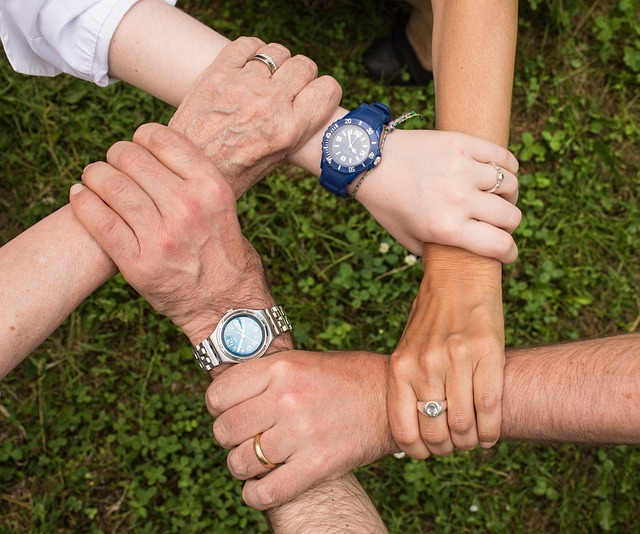
A healthy society requires solidarity. This means that individuals and governments must care for those who cannot care for themselves. Our relationships with the disabled, the elderly, the homeless, and orphaned children reflect our collective humanity. Indifference to the suffering of others is a sign of a fragmented society. Social responsibility involves recognizing that we are all part of a larger community where cooperation should take precedence over raw competitiveness.
Not all human interactions are positive. Relationships are often marred by aggression, which can manifest as physical violence or psychological cruelty. Aggression and vandalism are significant social problems that often stem from a combination of biological factors and environmental influences, such as a lack of positive role models or exposure to violence in the media.
In personal relationships, conflicts are inevitable. However, the way we handle these conflicts determines whether the relationship survives. Constructive problem-solving involves discussing the issue calmly, avoiding personal attacks, and focusing on finding a solution that is acceptable to both parties. Destructive behaviour, such as "falling out" without explanation or using "dirty" tactics in an argument, only serves to deepen the divide.

Obrázky použité na tejto stránke sú čerpané zo stránky:
pixabay.com